How to Become a Document Controller: Step-by-Step Career Guide (2026)
Document Controllers play a critical role in modern organisations by ensuring that project documents are organised, accurate, secure, and easily accessible throughout every stage of a project. From construction and engineering to healthcare, manufacturing, and energy, businesses rely on skilled Document Controllers to maintain document integrity and ensure compliance with industry standards.
With the rapid growth of digital document management systems and cloud-based collaboration platforms, the demand for qualified Document Controllers continues to increase worldwide. Whether you are a recent graduate, changing careers, or looking to enhance your professional skills, becoming a Document Controller can open the door to stable employment, competitive salaries, and international career opportunities.in this guide you will learn about How to Become a Document Controller?
What Is a Document Controller?
A Document Controller is responsible for managing an organisation’s documents throughout their lifecycle. They ensure that documents are created, reviewed, approved, distributed, stored, revised, archived, and retrieved according to established procedures and quality standards.
Their primary objective is to ensure that the right people have access to the correct version of every document at the right time while maintaining compliance with company policies and international standards.
Document Controllers are essential in industries where documentation accuracy directly affects project success, regulatory compliance, and operational efficiency.
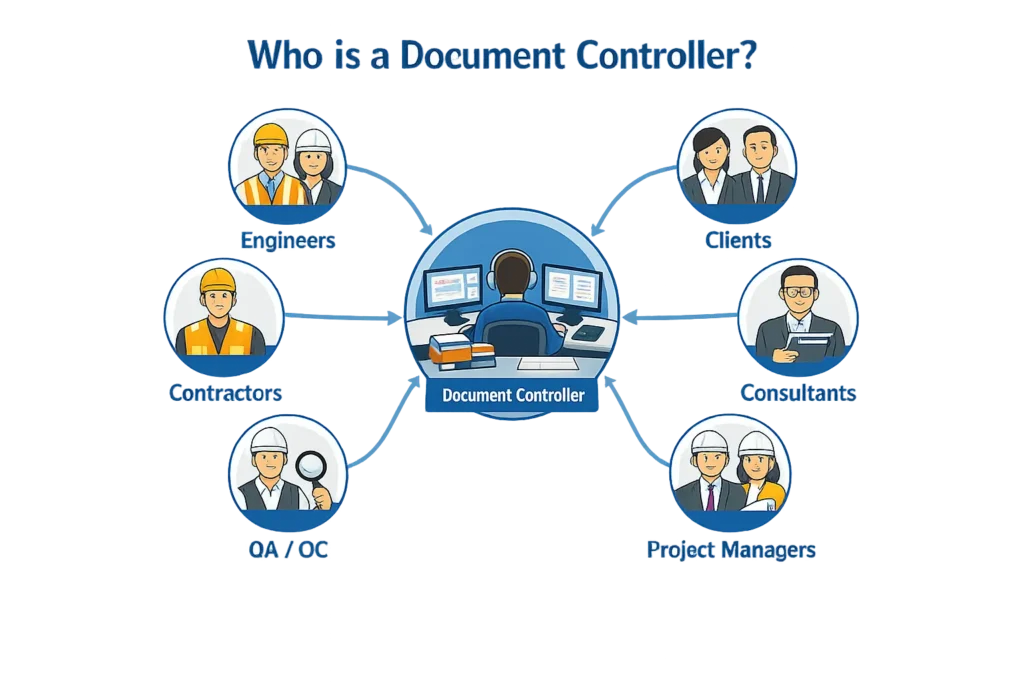
Learn more About What Is a Document Controller?
What Does a Document Controller Do?
Although responsibilities may vary depending on the industry, a Document Controller typically performs the following tasks:
- Manage project documentation and correspondence.
- Maintain document registers and tracking systems.
- Assign document numbers according to company procedures.
- Control document revisions and version history.
- Review documents for accuracy and completeness.
- Distribute documents to authorised personnel.
- Process document transmittals and submissions.
- Archive completed project records.
- Ensure compliance with document control procedures and ISO standards.
- Support quality audits and inspections.
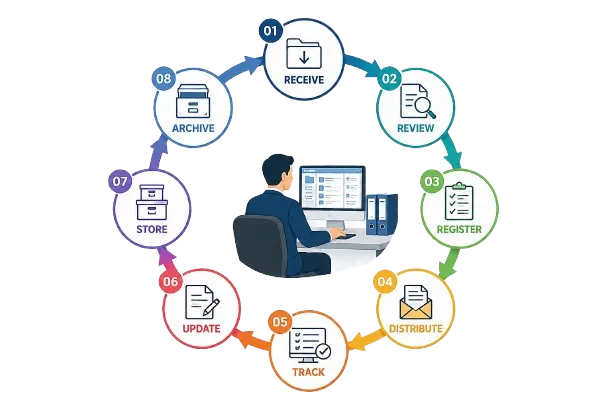
By maintaining accurate records and organised documentation, Document Controllers help projects run efficiently while reducing costly errors and delays.
Why Choose a Career as a Document Controller?
Document Control has become one of the most sought-after administrative and technical professions worldwide. Organisations increasingly rely on digital information management, making skilled professionals highly valuable.
Some key benefits include:
- Strong global demand across multiple industries.
- Competitive salaries and career progression.
- Opportunities to work on large infrastructure and engineering projects.
- International employment opportunities.
- Stable long-term career.
- Opportunities to specialise in digital information management and document control systems.
- Suitable for graduates and professionals from various educational backgrounds.
Industries That Hire Document Controllers
Document Controllers are employed in many sectors, including:
- Construction
- Oil & Gas
- Engineering
- Manufacturing
- Infrastructure
- Renewable Energy
- Utilities
- Rail and Transportation
- Mining
- Pharmaceutical
- Healthcare
- Government Projects
- Aviation
- Marine and Shipbuilding
As digital transformation continues, the demand for document management professionals is expected to grow across even more industries.
Skills Required to Become a Successful Document Controller
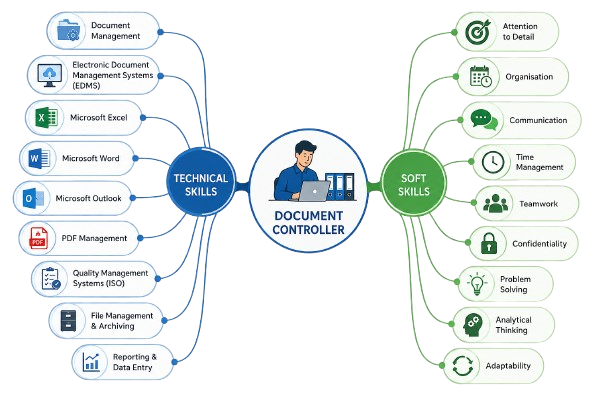
Success in Document Control requires a combination of technical expertise and professional skills.
Technical Skills
- Document Management
- Electronic Document Management Systems (EDMS)
- Microsoft Excel
- Microsoft Word
- Microsoft Outlook
- Data Entry
- Quality Management Systems
- ISO Documentation
- File Management
- Reporting
Soft Skills
- Excellent organisational skills
- Attention to detail
- Communication
- Time management
- Teamwork
- Confidentiality
- Analytical thinking
- Problem-solving
- Adaptability
Developing both technical and interpersonal skills will significantly improve your employability.
Educational Requirements
Unlike some professions, becoming a Document Controller does not always require a university degree. Many employers value practical skills, professional training, and industry knowledge over formal academic qualifications.
Useful qualifications include:
- Diploma in Document Controller
- Business Administration qualifications
- Construction or Engineering diplomas
- Information Management training
- Quality Management courses
- Oracle Aconex Professional Training
- Microsoft Office certifications
Professional certifications demonstrate commitment and improve your chances of securing higher-paying roles.
How to Become a Document Controller Step-by-Step Guide
Step 1: Understand the Role
Learn the responsibilities, workflows, and importance of document control in different industries.
Step 2: Learn Document Control Fundamentals
Study document numbering, revision control, document registers, transmittals, filing systems, and approval workflows.
Step 3: Master Microsoft Office
Become proficient in Microsoft Word, Excel, Outlook, and PDF management, as these tools are used daily.
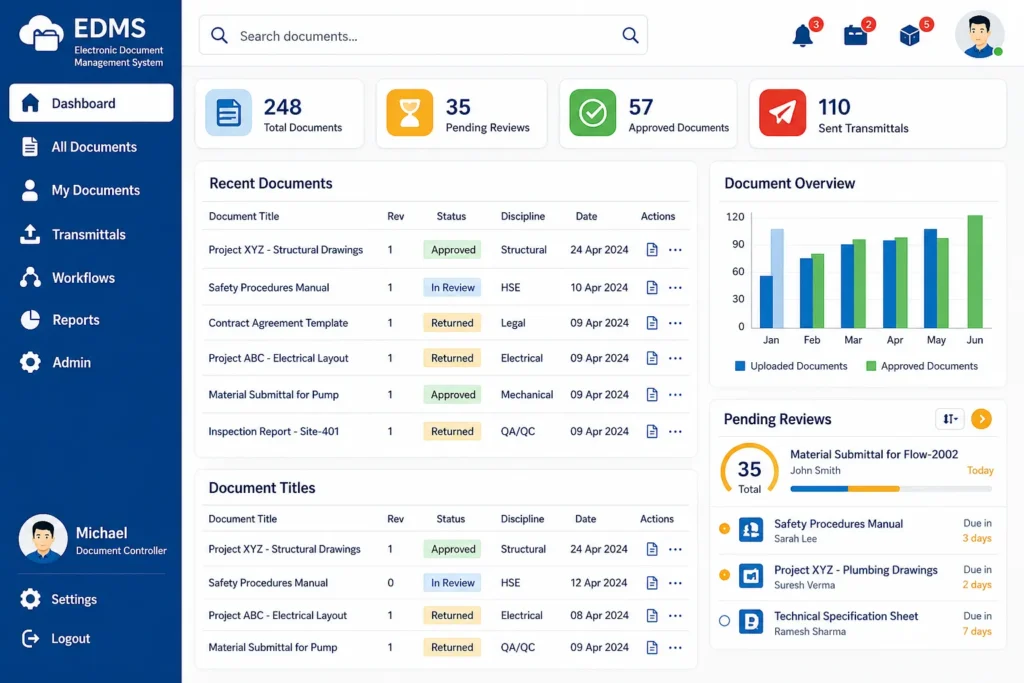
Step 4: Learn Electronic Document Management Systems
Gain practical knowledge of document management software used by employers.
Popular systems include:
- Oracle Aconex
- Autodesk Construction Cloud
- Procore
- SharePoint
- OpenText
Step 5: Understand Industry Standards
Familiarise yourself with standards such as ISO 9001, ISO 19650, and ISO 15489 to understand best practices for quality and information management.
Step 6: Gain Practical Experience
Complete practical exercises, internships, training projects, or simulations to build confidence and demonstrate your skills.
Step 7: Earn Professional Certification
Obtaining recognised training in Document Control and Oracle Aconex can make your CV more attractive to employers.
Step 8: Apply for Entry-Level Positions
Look for roles such as:
- Document Control Assistant
- Junior Document Controller
- Project Administrator
- Technical Clerk
- Records Administrator
These positions provide valuable industry experience and career progression opportunities.
How Long Does It Take to Become a Document Controller?
The time it takes to become a Document Controller depends on your background, learning pace, and practical experience. Since Document Control is a skills-based profession, many people can become job-ready within a few months through focused training and hands-on practice.
Typical Learning Timeline
30 Days – Learn the Basics
Build a strong foundation by understanding:
- Document control principles
- Document lifecycle and revision control
- Microsoft Office (Word, Excel, Outlook)
- Filing systems and document organisation
60 Days – Develop Technical Skills
Gain practical knowledge of:
- Electronic Document Management Systems (EDMS)
- Oracle Aconex and SharePoint
- Document registers and transmittals
- ISO 9001 and ISO 19650 basics
90 Days – Become Job-Ready
Focus on preparing for employment by:
- Practising real-world document control tasks
- Creating a professional CV and LinkedIn profile
- Building a portfolio
- Preparing for interviews
- Applying for entry-level Document Controller roles
How to Learn Faster
You can accelerate your career by:
- Completing a recognised Document Controller course
- Learning Oracle Aconex and other industry software
- Practising document numbering and revision control
- Gaining hands-on experience through projects or internships
- Staying updated with industry standards and best practices
Best Software Every Document Controller Should Learn
Modern Document Controllers work with specialised software that improves collaboration and document management.
The most valuable tools include:
| Software | Purpose |
|---|---|
| Oracle Aconex | Construction document management |
| Autodesk Construction Cloud | Project collaboration |
| Procore | Construction management |
| Microsoft SharePoint | Document sharing |
| Microsoft Excel | Registers and reporting |
| Microsoft Word | Documentation |
| Bluebeam Revu | PDF markup |
| OpenText | Enterprise document management |
Learning these platforms significantly improves your employment prospects.
Understanding the Document Lifecycle
Every controlled document follows a structured lifecycle:
- Document Creation
- Review
- Approval
- Distribution
- Revision
- Storage
- Retrieval
- Archiving
- Disposal
Understanding each stage ensures documents remain accurate, secure, and compliant throughout the project.
Career Progression
A typical Document Control career path is:
Document Control Assistant
↓
Junior Document Controller
↓
Document Controller
↓
Senior Document Controller
↓
Lead Document Controller
↓
Document Control Manager
↓
Information Manager
↓
Digital Information Manager
As experience grows, professionals often move into project management, quality management, or information management roles.
Average Salary by Country
Salaries vary depending on industry, experience, and location.
| Country / Region | Average Salary | Local Currency | Standard Pay Cycle |
|---|---|---|---|
| United Kingdom | £36,500 | GBP | Per Year |
| United States | $75,026 | USD | Per Year |
| Canada | $78,063 | CAD | Per Year |
| Australia | $105,000 | AUD | Per Year |
| United Arab Emirates (UAE) | AED 5,000 | AED | Per Month |
| Saudi Arabia | SAR 5,000 | SAR | Per Month |
| Qatar | QAR 5,500 | QAR | Per Month |
Professionals working on large infrastructure, oil and gas, and EPC projects often earn higher salaries.
Future Trends in Document Control
Document Control is evolving rapidly as organisations embrace digital transformation, automation, and intelligent information management. Today’s Document Controllers do far more than organise files—they help manage digital information, support regulatory compliance, improve collaboration, and contribute to the successful delivery of complex projects.
As industries adopt advanced technologies, staying up to date with emerging trends is essential for building a successful and future-ready career in Document Control.
Artificial Intelligence (AI) in Document Management
Artificial Intelligence (AI) is transforming how organisations manage project documentation. AI-powered document management systems reduce repetitive manual tasks while improving speed, accuracy, and consistency.
AI can help Document Controllers by:
- Automatically classifying and organising documents
- Extracting key information from files
- Identifying duplicate or outdated documents
- Detecting missing information or errors
- Improving document search using natural language queries
- Supporting intelligent document recommendations
Instead of spending hours on repetitive administrative work, Document Controllers can focus on quality assurance, compliance, and strategic information management.
Automation of Document Workflows
Workflow automation is becoming a standard feature of modern Electronic Document Management Systems (EDMS). Automated workflows streamline document handling by reducing manual intervention and ensuring consistent processes.
Automation enables organisations to:
- Route documents automatically for review and approval
- Send reminders for overdue approvals
- Maintain revision histories automatically
- Generate document transmittals
- Archive completed documents without manual effort
- Track document status in real time
These automated processes improve efficiency, minimise human error, and accelerate project delivery.
Cloud-Based Collaboration
Cloud technology has revolutionised document management by allowing project teams to collaborate from anywhere in the world. Modern cloud platforms provide secure access to project documents while ensuring everyone works from the latest approved version.
Popular cloud-based document management platforms include:
- Oracle Aconex
- Autodesk Construction Cloud
- Microsoft SharePoint
- Procore
- OpenText
The benefits of cloud collaboration include:
- Real-time document sharing
- Improved team communication
- Better version control
- Secure remote access
- Faster document approvals
- Reduced project delays
Cloud-based skills have become essential for today’s Document Controllers.
Building Information Modelling (BIM) Integration
Building Information Modelling (BIM) is changing the way construction and engineering projects manage information. BIM integrates digital models with project documentation, creating a central source of project data.
Document Controllers working with BIM environments are responsible for:
- Managing digital project documents
- Coordinating drawings and specifications
- Controlling revision histories
- Maintaining accurate project records
- Supporting collaborative project delivery
Understanding BIM workflows is becoming an increasingly valuable skill, particularly in construction and infrastructure projects.
Adoption of ISO 19650 Standards
ISO 19650 is the internationally recognised standard for information management using Building Information Modelling (BIM). Organisations implementing this standard require structured and consistent document control processes.
Document Controllers should understand:
- Standard document naming conventions
- Metadata management
- Information classification
- Secure information sharing
- Document approval procedures
- Common Data Environment (CDE) principles
Knowledge of ISO 19650 significantly enhances career opportunities, especially on major construction and engineering projects.
Digital Twins and Smart Infrastructure
Digital Twin technology is becoming increasingly important across engineering, manufacturing, and infrastructure industries. A Digital Twin is a virtual representation of a physical asset that combines real-time operational data with project documentation.
Document Controllers contribute by managing:
- Technical drawings
- Engineering documents
- Maintenance records
- Inspection reports
- Asset documentation
- Revision histories
As smart buildings and intelligent infrastructure continue to expand, Digital Twin projects will require highly organised information management professionals.
Enhanced Data Security and Cybersecurity
As organisations move towards digital documentation, protecting sensitive information has become a top priority. Document Controllers play a vital role in maintaining information security and regulatory compliance.
Important security responsibilities include:
- Controlling document access permissions
- Managing confidential information
- Maintaining audit trails
- Protecting sensitive project data
- Supporting cybersecurity policies
- Ensuring compliance with data protection regulations
Future document management systems will continue to strengthen security through encryption, multi-factor authentication, and advanced access controls.
Sustainability and Paperless Work Environments
Many organisations are replacing paper-based processes with digital document management systems to improve efficiency and reduce environmental impact.
Benefits of paperless document control include:
- Reduced paper consumption
- Lower storage costs
- Faster document retrieval
- Improved collaboration
- Enhanced document security
- Reduced environmental footprint
Document Controllers play a central role in helping organisations achieve their sustainability and digital transformation goals.
Advanced Analytics and Reporting
Modern document management platforms now provide advanced dashboards and reporting tools that help organisations monitor document performance and improve operational efficiency.
Analytics can provide insights into:
- Document approval times
- Workflow performance
- Outstanding document actions
- Revision history
- Compliance status
- Project documentation progress
By analysing this information, Document Controllers can identify process improvements and support better decision-making.
The Evolving Role of the Document Controller
The role of the Document Controller is expanding beyond traditional document filing and administration. Today’s professionals are becoming Information Managers who support digital transformation and business efficiency.
Modern Document Controllers are expected to:
- Manage digital information assets
- Coordinate project documentation
- Support quality management systems
- Improve information governance
- Monitor compliance with industry standards
- Contribute to process improvement initiatives
- Support digital collaboration across project teams
As technology continues to evolve, Document Controllers will become increasingly involved in strategic information management rather than purely administrative tasks.
How to Prepare for the Future of Document Control
To remain competitive in this rapidly evolving profession, aspiring and experienced Document Controllers should continuously develop their technical knowledge and digital skills.
Focus on learning:
- Artificial Intelligence (AI) tools
- Electronic Document Management Systems (EDMS)
- Oracle Aconex
- Autodesk Construction Cloud
- Microsoft SharePoint
- Building Information Modelling (BIM)
- ISO 19650 Information Management
- Cloud collaboration platforms
- Data security and information governance
- Workflow automation
- Data analytics and reporting
- Process improvement methodologies
Continuous learning, professional certifications, and hands-on software experience will help you stay ahead in an increasingly digital workplace.
How to Build Experience Without a Job
If you are new to Document Control, you can still build valuable experience by:
- Completing online training courses.
- Practising document numbering and registers.
- Learning Oracle Aconex.
- Building sample document control portfolios.
- Volunteering on projects.
- Completing internships.
- Practising Microsoft Excel reporting.
- Studying ISO documentation standards.
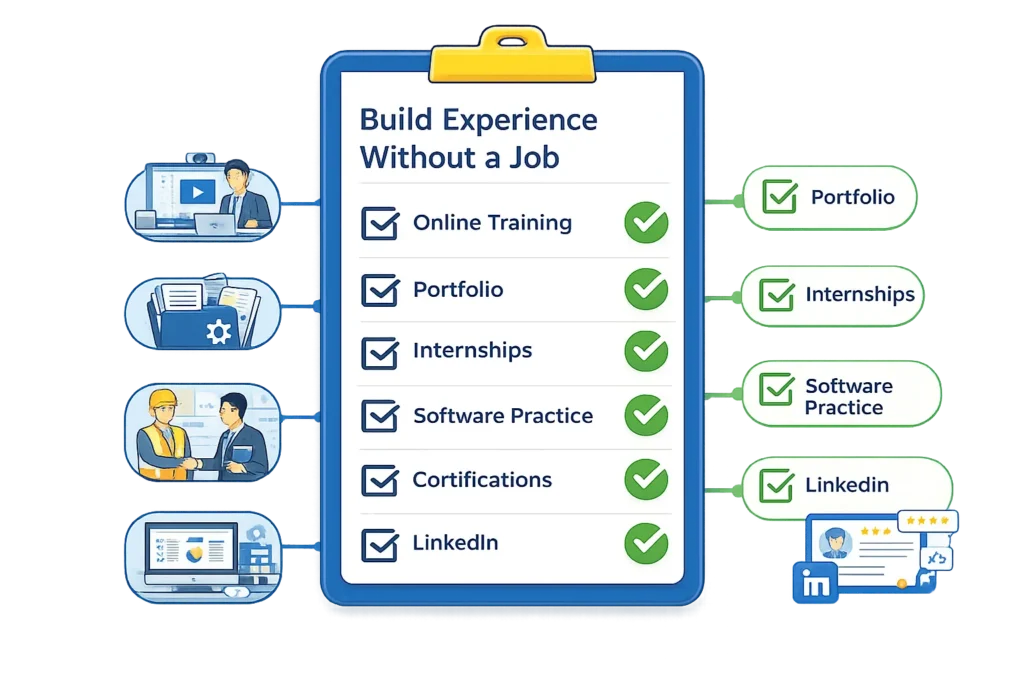
Practical experience demonstrates initiative and increases employer confidence.
Common Interview Questions
Prepare answers for questions such as:
- What is document control?
- What is revision control?
- How do you manage confidential documents?
- Which document management software have you used?
- What is a document transmittal?
- How do you maintain document accuracy?
- How do you prioritise multiple document requests?
- Why do you want to become a Document Controller?
Employers often assess both technical knowledge and organisational skills.
Common Mistakes Beginners Should Avoid
Many new Document Controllers make avoidable mistakes, including:
- Incorrect document numbering.
- Poor version control.
- Filing documents in the wrong location.
- Missing approval records.
- Ignoring company procedures.
- Weak communication with project teams.
- Inadequate document backups.
Attention to detail and following established procedures are essential for success.
Is Document Control a Good Career?
Yes. Document Control offers excellent career opportunities for individuals who enjoy organisation, accuracy, and working with information.
The profession provides:
- Strong job security.
- International career opportunities.
- Continuous professional development.
- Attractive salaries.
- Opportunities to work on prestigious projects.
- Career progression into management and digital information roles.
With increasing digital transformation and stricter compliance requirements, demand for skilled Document Controllers is expected to remain strong for years to come.
Final Thoughts
A career as a Document Controller offers an excellent combination of stability, professional growth, and global opportunities. As organisations increasingly rely on digital information management and compliance-driven processes, skilled Document Controllers remain essential to the successful delivery of projects across industries.
Whether you are starting your career or looking to transition into a new profession, developing strong document management skills, mastering industry software, and earning recognised professional qualifications can significantly improve your employability. By following the step-by-step roadmap outlined in this guide, you can build the knowledge, practical experience, and confidence needed to secure rewarding Document Controller roles in the UK and internationally.
Start Your Document Control Career Today
Ready to become a job-ready Document Controller?
Build your expertise with our industry-focused training programmes:
- Diploma in Document Controller – Learn document control principles, document lifecycle management, revision control, filing systems, quality standards, and industry best practices.
- Oracle Aconex Professional Training for Document Controller – Gain hands-on experience with one of the world’s leading cloud-based document management platforms used on major construction and engineering projects.
These practical, career-focused courses are designed to help you develop the skills employers value, preparing you for opportunities in construction, engineering, oil and gas, infrastructure, manufacturing, and other high-demand industries.